
ViVE 2026: Unpacking AI-ready digital workflows for optimal patient care
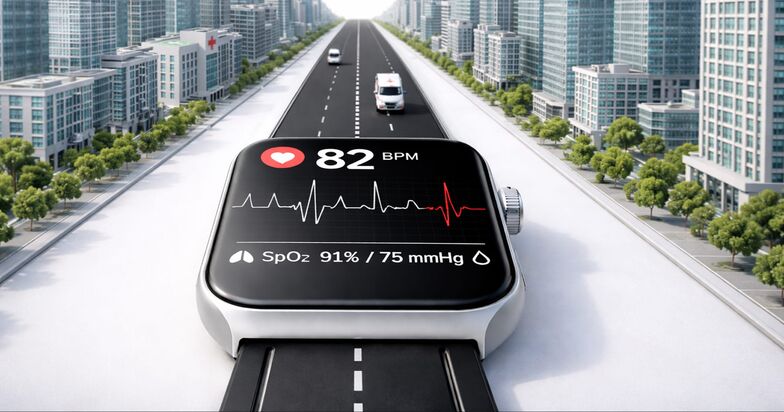
If you've ever left a big conference with a buzzword hangover and a slight case of claustrophobia, you know the feeling of leaving an event unfulfilled. ViVE 2026 and HIMSS US 2026 felt different. The rooms felt strategic, the conversations were intimate and carefully curated, and three themes were buzzing: patient engagement, AI, and remote monitoring.
Here's what we took away from the show floor this month, and what we think it means for where the industry is going.
The good: Engagement and remote patient monitoring (RPM) are front and center
Across sessions and side conversations, the same pain was keeping people up at night. Health systems and digital health platforms are under pressure to keep patients connected, reduce no-shows, and make the "digital front door" something patients actually use. At the same time, remote patient/device monitoring and Hospital-at-Home are moving from pilot to core strategy. New reimbursement codes and extended waivers are making RPM and virtual wards a real part of the P&L. That means the question is no longer "Should we do this?" but "How do we do this at scale, with reliability and without burning out our teams?"
The 2026 regulatory shift is real. CMS finalized CPT 99445 for 2-15 days of device supply and data transmission in a 30-day window, reimbursed at roughly the same rate as the traditional 16-30 day code. That makes remote monitoring viable for episodic care: post-discharge, short-term COPD follow-up, insulin titration, and beyond. RPM is shifting from an "optional add-on" for chronic disease to an "essential component" across the care continuum. Market numbers reflect it. The U.S. RPM sector is on a path from roughly $465M (2025) toward $1.2B by 2034; the broader remote monitoring devices market is heading from about $60B toward $290B in the same period. The impetus is familiar: chronic disease burden, aging populations, and a chronic shortage of healthcare labor, especially in rural and underserved settings.
For leaders who live at the intersection of clinical and tech, that's the productivity-and-access fight in one sentence. You need to reach more patients with the same or fewer people. Instant patient communication and continuous vital-signs streaming are the backbone of that shift.
The gap: AI with a purpose
The other thing we heard: AI was everywhere, but a lot of it felt untethered. Panels and booths talked about agents, copilots, and intelligence. What was often missing was a clear link to a specific problem. That's a signal: the industry is past "AI as curiosity" and moving toward "AI as infrastructure," but many are still figuring out how exactly it fits.The teams that win will be the ones who can show exactly what the system did, why it did it, and how it's governed. Purpose and observability beat buzzwords.
For RMP in 2026, AI's primary value in 2026 lies not just in "better diagnosis," but in workload reduction. Predictive analytics can help filter raw sensor data, surface clinically meaningful anomalies, and cut alert fatigue so clinicians and staff see the data that actually requires action. The same mindset applies to patient engagement and agentic AI: systems that can interpret policies, navigate rules, and perform multi-step tasks (rescheduling, re-submitting claims) need to be accountable and auditable. Infrastructure that gives you built-in observability and HIPAA-aligned audit trails is what moves pilots into clinical deployment.
Where digital health is heading (and what that means for you)
A few directions showed up consistently in both the formal agenda and the hallway talk.
Patient engagement as a system, not a feature.
Reducing no-shows and referral leakage doesn't mean sending one more reminder in a sea of notifications. It's about instant two-way communication that fits into how patients and care teams actually work. The bar is omnichannel: a single, continuous conversation where context and history follow the patient across SMS, portal, chatbot, and in-person touchpoints.
According to ASTP, hospitals in the United States are already there in part. Recent adoption data shows 99% of hospitals let patients view records electronically, 92% support secure messaging with providers, but only 45% support both electronic import of records and submission of patient-generated data. The gap is in making engagement infrastructure reliable, compliant, and integrated so that the "patient as organization" (managing their own data, co-designing their journey) becomes operational. The payoff is measurable: according to Deloitte, hospitals with "excellent" patient satisfaction see net margins around 4.7% versus 1.8% at lower-rated facilities. Active patient engagement has also been linked to lower total medical costs and fewer hospitalizations. That implies infrastructure that's HIPAA-ready and built to scale.
RPM and Hospital-at-Home as growth engines. With waivers and codes in place, the bottleneck is execution. Can you get vital signs from device to clinician in time to act? Can you document transmission for reimbursement and audits? The distinction between Remote Patient Monitoring (physiological data: vitals, glucose, weight) and Remote Therapeutic Monitoring (therapy adherence, pain, function) matters for billing and for design. Many patient journeys need both. The orgs that figure out the live data and engagement layer (i.e streaming that's fast enough for early intervention, with edge processing for alerts and full audit trails for compliance) will be the ones that scale. So will the ones that solve interoperability. Legacy EHRs often can't handle high-frequency biometric data cleanly, which creates silos and extra work for staff. FHIR and middleware that bridge devices and the patient chart aren't optional anymore.
Workforce and workflows, not just apps. Sessions on nursing workflows and communications among staff kept pointing at the same thing: the distributed workforce needs coordination that's fast, role-aware, and mobile-first. Giving time back to care means fixing how clinicians and operations teams communicate and how shifts get filled. Real-time infrastructure that powers instant notifications, presence, and scheduling logic can reduce agency reliance and give staff a platform they'll actually use.
Wellness and prevention in the same ecosystem.
Fitness and digital wellness solutions are no longer separate from "real" healthcare. Corporate wellness, condition-specific programs, and clinical pathways are starting to share the same expectation: if it's digital, it should feel live, responsive, and connected (like the real thing). The same infrastructure that supports patient engagement and RPM can support those experiences without rebuilding from scratch.
Underneath all of that is a single idea. Digital health is moving from experiments to operations. The leaders who thrive will be the ones who treat instant, compliant infrastructure as the foundation: HIPAA-ready messaging for the digital front door, low latency streaming for wearables and RPM, and AI-ready workflows with observability and audit trails so pilots actually reach production.
The barriers and how to plan for them
A few hurdles showed up in conversation and in the research. Interoperability still tops the list. Many RPM and engagement platforms don't sync cleanly with existing EHRs; API maturity and FHIR adoption are improving (API use grew across care settings between 2021 and 2024), but legacy systems and data quality issues remain.
The digital divide affects access. Roughly 25% of adults over 65 lack high-speed internet at home; resistance isn't just literacy, it's also a fear of losing relational care. Successful deployments often require white-glove treatment and support.
Implementation chaos is another. Rolling out remote monitoring or new engagement tools without clinical input leads to broken workflows and alert fatigue. Phased rollouts, early involvement of frontline staff, and AI-driven triage so providers only see what requires action are the patterns that work.
What's next: Building the future of care
If you were at ViVE or HIMSS US, you probably came back with your own short list: the session that clarified one thing, the conversation that changed how you're thinking about a project. If you weren't there, the takeaway remains: Patient engagement and remote monitoring are the new core of how care gets delivered and how health systems stay sustainable.
Double down on the use cases that connect directly to access, productivity, and outcomes. Make sure your AI initiatives are tied to a specific problem and that you can explain and audit them. Invest in the live layer that makes engagement, RPM, and workforce coordination possible at scale. And finally, choose infrastructure that lets you build once and scale from pilot to production without reinventing the stack every time.
The industry isn't waiting. Neither should your roadmap. Start building now.
