
From broadcast rights to fan experiences: How SPOTV is rethinking sports engagement in Southeast Asia
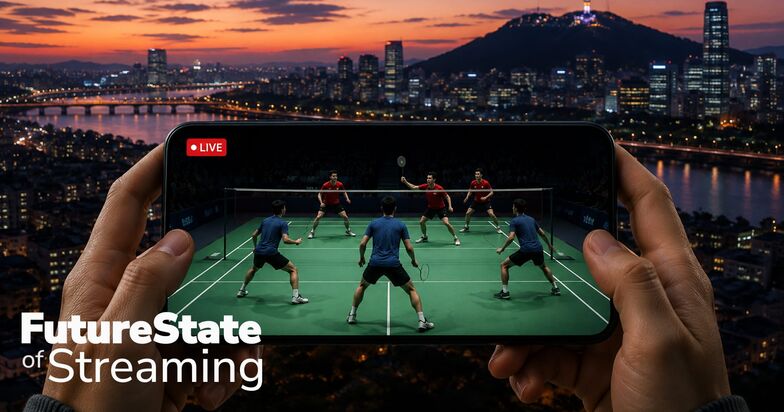
The familiar story about streaming is one of replacement: digital services take over, linear television fades away, and consumers subscribe directly to whatever they want to watch. In sports, especially across Southeast Asia, the reality is more layered. Streaming is growing, but it is often growing alongside the pay-TV and telco bundles that already reach consumers.
For CK Lee, CEO of SPOTV Media, that distinction is fundamental. SPOTV operates across Korea, Japan, and Southeast Asia, with a different sports portfolio and distribution mix in each market. In Southeast Asia, it works with roughly 15 local affiliates and offers two linear sports channels, while its direct-to-consumer OTT service serves fans who are not already subscribed through those partners.
“Our OTT service is complementary,” Lee says. That is not a temporary compromise between old and new distribution. It is a reflection of the region’s economics: sports can be expensive to acquire and difficult to monetize as a standalone subscription business.
The bigger shift, in Lee’s view, is that sports is becoming less of a self-contained product and more of a reason to choose another service. Broadband providers and mobile operators have already made their infrastructure investments. A compelling sports package can help them differentiate an otherwise commoditized offer, encourage upgrades, and retain subscribers. “You need sports and content to drive your other businesses,” Lee says.
The last mile is gaining leverage
That bundled future changes who holds the power in the value chain. As traditional pay-TV declines, Lee expects telcos to become the durable local distributors because they own the direct relationship with the consumer. Regional platforms sit in a more exposed position: they are neither the rights holder nor the last-mile provider.
“The margin is just getting thinner and thinner and thinner,” he says.
That pressure may eventually push more leagues and federations toward direct-to-consumer services. But going direct in Asia is more complicated than launching an app. A market such as Malaysia alone requires marketing across multiple languages and cultural communities; Southeast Asia compounds those local nuances across many countries. Rights holders may want a direct fan relationship, but they will still need local expertise and distribution to build it.
Lee sees global streamers entering the premium end of the market as rights prices and subscriber-growth needs align. Netflix, Disney+, and Amazon may bid for marquee properties in selected countries. Meanwhile, local platforms will remain well positioned to carry local sports and culturally specific programming. The opportunity for regional specialists may be in the wide middle: sports and federations that need more visibility as the pay-TV base contracts.
Highlights create reach, but not necessarily a relationship
The audience has already changed its behavior. Hardcore fans may still want the big-screen, live-event experience. Younger viewers are increasingly consuming short highlights and clips on mobile devices, often outside a subscription paywall.
SPOTV distributes content on social platforms because it needs to be where viewers are. Yet Lee points to a difficult trade-off: rights holders can also publish their own clips, splitting the audience that a regional rights buyer has paid to reach. Advertising yields on social are low in Southeast Asia, so the value of short-form content is often engagement and awareness rather than direct revenue.
The key question is whether that engagement can lead somewhere. Lee does not object to rights holders speaking directly with fans; he wants a more meaningful holdback window. “We paid good money for exclusive rights. Let us have a crack at it maybe for like four days before you put it on,” he says. A window gives SPOTV time to build attention, market its service, and create a relationship with the people discovering the sport.
That is a useful distinction for streaming businesses everywhere. Distribution can generate views. But engagement that happens in a company’s own environment can create a path to subscriptions, sponsorship, and a deeper understanding of the audience.
The next engagement model may start off-screen
Lee’s most concrete answer to shifting consumption is not another video format. It is participation. SPOTV has created its own badminton event, Badminton XL, in Indonesia, bringing together top-ranked players from different countries into teams, with time-based scoring and a format designed to feel faster and more immediate.
The goal is not to suggest traditional badminton is broken. It is to create a distinct experience for an audience that expects something quick, social, and new. It also opens different revenue streams. People may hesitate to pay for media, Lee says, but they are still willing to pay for experiences.
That model creates a virtuous loop. SPOTV can promote an owned event across its linear, digital, and social footprint; sponsors can participate on the ground and on the broadcast; fans can attend, meet players, and even take part in their own tournament alongside the professional competition. “Use the pro as the showpiece event and then you do the participation side,” Lee says.
Community is not an add-on to that strategy. It is the mechanism that makes it work. A fan who watches a sport, plays it, attends an event, and meets an athlete has a more durable connection than a viewer who scrolls past a highlight.
Change is arriving in 18-month cycles
Lee expects the sports media landscape to look materially different within three to five years. But the pace is the most striking part: a business that once changed every few years is now changing every 18 to 24 months.
Premium global rights, resilient local sports ecosystems, and a newly exposed middle tier will coexist. The winners will not be determined by streaming alone. They will be the companies that understand where sports creates value, and adapt fast enough to act on it.
This conversation was part of the Future State of Streaming series. You can connect with CK Lee on LinkedIn. Learn more about PubNub’s offerings for sports, media, and entertainment.
